Honour of Annaly - Feudal Principality & Seignory Est. 1172

|

Captains of Ireland1) Chief Captain of IrelandIn 1494, Gilbert Nugent, Baron of Delvin,was appointed Chief Captain of the King Henry VII forces in Ireland, at a salary of £200 a year,6 on June 25, three days after the entries of payment of army wages in Hattecliffe's accounts stop. 2) Chief of all Irish forces of Dublin, Meath, Kildare, and Louth.RICHARD, 7th baron, had summonses to parliament in the years 1486, 1490, 1493, and 1498 and was constituted by the lord justices and council in 1496 as Commander and Leader in Chief of all forces of Dublin, Meath, Kildare, and Louth. 3) William Nugent, Baron Delvin - was Sheriff of Meath 14014) Christopher 8th Baron Delvin - 1593 - Chief of Forces in Westmeath - Summoned Parliament in 15855) Captainship of the Annaly Sleught William (or Sleughte William):The Captainship of Sleught William was a hereditary title granted by Queen Elizabeth I in 1565 to Christopher Nugent, Baron of Delvin, giving him military and administrative authority over a key Gaelic territory in the Annaly region (modern County Longford). This grant formalized the Delvin family's role as Crown-recognized rulers of a historically Gaelic domain. 📜 Overview of the Grant
This grant is recorded in Morrin’s Calendar of Patent Rolls and is considered one of the rare examples of a Captainship — a title equivalent to a Chief of a Nation or Clan Leader, often granted to Gaelic or Anglo-Irish nobles ruling semi-autonomous regions. 🛡️ Who Were the Sleught William?
👑 Role of the Delvin Family
Their dual identity — Gaelic in culture, but loyal to the English Crown — made them ideal intermediaries in a volatile frontier region. ⚖️ Legal and Historical Significance
To clarify, Sleught William (sometimes spelled Sleughte William or Sleught), also referred to as Clan Liam in some historical sources, was an important Gaelic group in the Annaly region (modern-day County Longford). This clan, or group, was led by the Delvin family in the context of the hereditary captaincy that was granted to them by the English Crown. Key Points about Sleught William (or Sleughte William):
Conclusion:Sleught William (or Sleughte William) refers to the Gaelic clan or military group associated with the Annaly region, and the Delvin family held the hereditary captaincy over this clan. Their role as both Barons of Delvin and captains of Sleught William solidified their control over the region and their important position within the Anglo-Irish power structure.
|
About Longford Feudal Prince House of Annaly Teffia Rarest of All Noble Grants in European History Statutory Declaration by Earl Westmeath Kingdoms of County Longford Pedigree of Longford Annaly What is the Honor of Annaly The Seigneur Irish Roots of George Mentz Chronology of Teffia Annaly Lords Paramount Ireland Market & Fair Chief of The Annaly One of a Kind Title Lord Governor of Annaly Prince of Annaly Tuath Principality Feudal Kingdom Irish Princes before English Dukes & Barons Fons Honorum Seats of the Kingdoms Clans of Longford Region History Chronology of Annaly Longford Oldest Gaelic Kingdom Hereditaments Captainship of Ireland Princes of Longford Holy Sites & Gods News Parliament 850 Years Leadership Titles of Annaly Irish Free State 1172-1916 Feudal Princes 1556 Habsburg Grant and Princely Title Rathline and Cashel Kingdom The Last Irish Kingdom Landesherrschaft King Edward VI - Grant of Annaly Granard Spritual Rights of Honour of Annaly Principality of Cairbre-Gabhra House of Annaly Teffia 1400 Years Old Count of the Palatine of Meath Irish Property Law Manors Castles and Church Lands A Barony Explained Moiety of Barony of Delvin Nugents of Annaly Ireland Spiritual & Temporal Islands of The Honour of Annaly Longford Blood Dynastic Burke's Debrett's Peerage Recognitions Water Rights Annaly Property Law Writs to Parliament Irish Nobility Law Moiety of Ardagh Dual Grant from King Philip of Spain Rights of Lords & Barons Princes of Annaly Pedigree Abbeys of Longford Styles and Dignities Ireland Feudal Titles Versus France & Germany Austria Sovereign Title Succession Mediatized Prince of Ireland Grants to Delvin Lord of St. Brigit's Longford Abbey Est. 1578 Feudal Barons Water & Fishing Rights Clan Brehon Tribal Law Comparison Ancient Castles and Ruins Abbey Lara Honorifics and Designations Kingdom of Meath Feudal Westmeath Seneschal of Meath Lord of the Pale Irish Gods The Feudal System Baron Delvin Kings of Hy Niall Colmanians Irish Kingdoms Order of St. Columba Chief Captain Kings Forces Commissioners of the Peace Tenures Abolition Act 1662 - Rights to Sit in Parliament Contact Law of Ireland List of Townlands of Longford Annaly English Pale Court Barons Lordships of Granard Irish Feudal Law Datuk Seri Baliwick of Ennerdale Moneylagen Lord Baron Longford Baron de Delvyn Longford Map Lord Baron of Delvin Baron of Temple-Michael Baron of Annaly Kingdom Annaly Lord Conmaicne Baron Annaly Order of Saint Patrick Baron Lerha Granard Baron AbbeyLara Baronies of Longford Princes of Conmhaícne Angaile or Muintir Angaile Baron Lisnanagh or Lissaghanedan Baron Moyashel Baron Rathline Baron Inchcleraun HOLY ISLAND Quaker Island Longoford CO Abbey of All Saints Kingdom of Uí Maine Baron Dungannon Baron Monilagan - Babington Lord Liserdawle Castle Baron Columbkille Kingdom of Breifne or Breny Baron Kilthorne Baron Granarde Count of Killasonna Baron Skryne Baron Cairbre-Gabhra AbbeyShrule Events Castle Site Map Disclaimer Irish Property Rights Indigeneous Clans Dictionary Maps Honorable Colonel Mentz Valuation of Principality & Barony of Annaly Longford Irish Noble Titles of Annaly Longford“The Princely House of Annaly–Teffia is a territorial and dynastic house of approximately 1,500 years’ antiquity, originating in the Gaelic kingship of Teffia and preserved through the continuous identity, property law, international law, and inheritance of its lands, irrespective of changes in political sovereignty.”
Feudal Baron of Longford Annaly - Baron Longford Delvin Lord Baron &
Freiherr of Longford Annaly Feudal Barony Principality Count Kingdom of Meath - Feudal Lord of the Fief
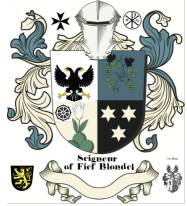
Blondel of the Nordic Channel Islands Guernsey Est. 1179 George Mentz
Bio -
George Mentz Noble Title -
George Mentz Ambassador - Order of the Genet
Knighthood Feudalherr - Fief Blondel von der Nordischen
Insel Guernsey Est. 1179 * New York Gazette ®
- Magazine of Wall Street - George
Mentz - George
Mentz - Aspen Commission - Ennerdale - Stoborough - ESG
Commission - Ethnic Lives Matter
- Chartered Financial Manager -
George Mentz
Economist -
George Mentz Ambassador -
George Mentz - George Mentz Celebrity -
George Mentz Speaker - George Mentz Audio Books - George Mentz Courses - George Mentz Celebrity Speaker Wealth
Management -
Counselor George Mentz Esq. - Seigneur Feif Blondel - Lord Baron
Longford Annaly Westmeath
www.BaronLongford.com * www.FiefBlondel.com |


Commissioner George Mentz - George
Mentz Law Professor - George
Mentz Economist
George Mentz News -
George Mentz Illuminati Historian -
George Mentz Net Worth
The Globe and Mail George Mentz
Get Certifications in Finance and Banking to Have Career Growth | AP News